







| STOCK MARKET LIVE | BSE | NSE | ||||||
NEW DELHI: India has gone on high alert following suspected Ebola cases reported in Bengaluru and Gujarat amid a growing outbreak of the Bundibugyo strain in parts of Africa, even though all suspected cases in the country have so far tested negative.
The scare began on May 26 when a 28-year-old Ugandan woman, who had travelled from Uganda via Ahmedabad to Bengaluru, developed mild symptoms including body ache. She was immediately shifted to the Epidemic Diseases Hospital in Bengaluru and placed in isolation as a precautionary measure. Her samples were sent to the National Institute of Virology (NIV) in Pune. On May 27, health authorities confirmed that she tested negative for Ebola virus disease.
In Gujarat, a 37-year-old man from Congo and three of his contacts were isolated in Ahmedabad after showing symptoms. Their samples have also been sent for testing. Gujarat Health Minister Praful Pansheriya has confirmed that no positive cases have been detected in the state and urged citizens not to panic.
The developments come after the World Health Organization (WHO) declared the Ebola outbreak in the Democratic Republic of Congo (DRC) and Uganda a Public Health Emergency of International Concern (PHEIC) on May 17. As of May 27, the DRC has reported over 900 suspected cases and significant fatalities, while Uganda has recorded confirmed cases linked to cross-border travel.
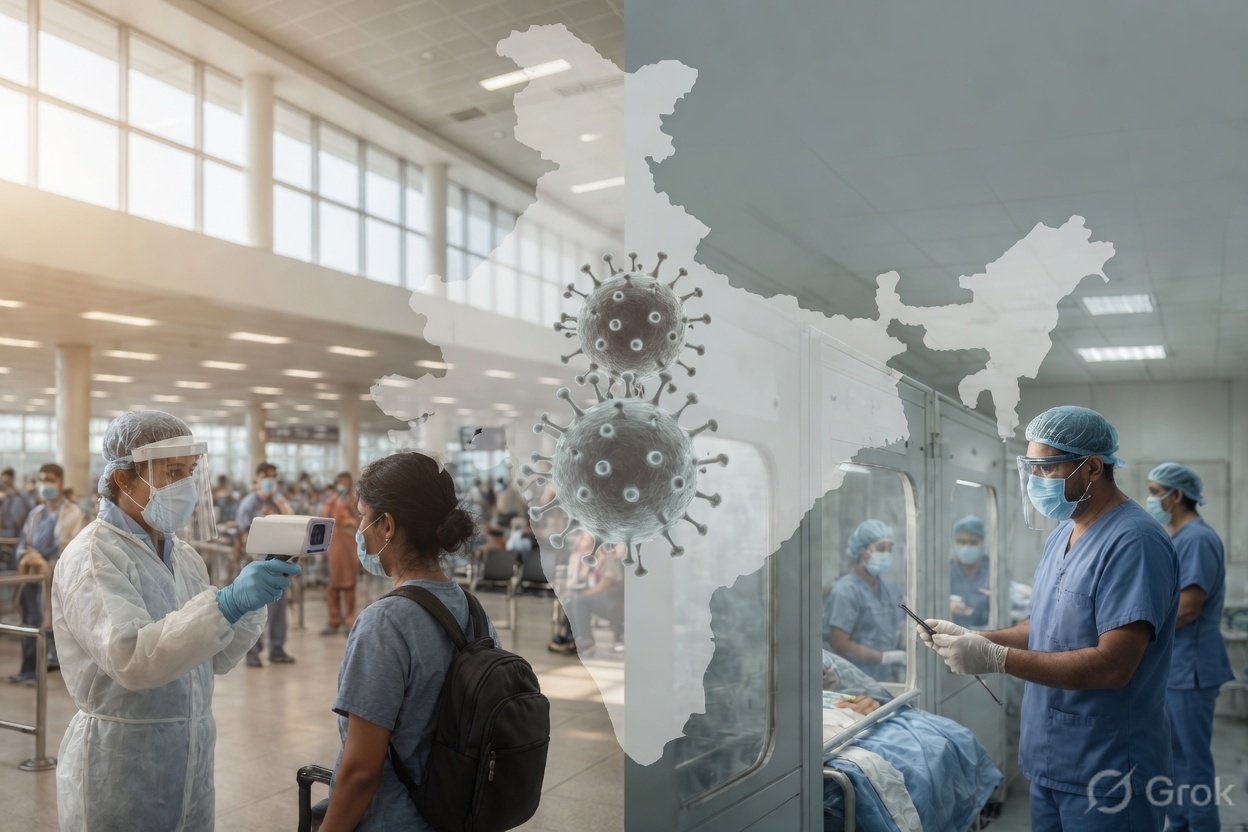
In response, the Union Health Ministry has intensified thermal screening and health declarations at all major airports, especially for passengers arriving from or transiting through affected African nations. Special isolation wards have been prepared in several states, and travel advisories have been issued discouraging non-essential travel to the DRC, Uganda, and South Sudan.
Health experts have emphasised that while the risk to the general public remains low, vigilance is essential. Symptoms of Ebola include sudden fever, fatigue, muscle pain, headache, and in severe cases, internal bleeding. The virus spreads through direct contact with bodily fluids of infected persons.
Officials have appealed to the public to avoid spreading unverified information on social media and rely only on official updates. Although India has successfully avoided any confirmed Ebola case so far, the current scare has underscored the need for robust surveillance and rapid response mechanisms.
Reporter
Crisp, and to the point news coverage from India and around the world.
View Reporter News